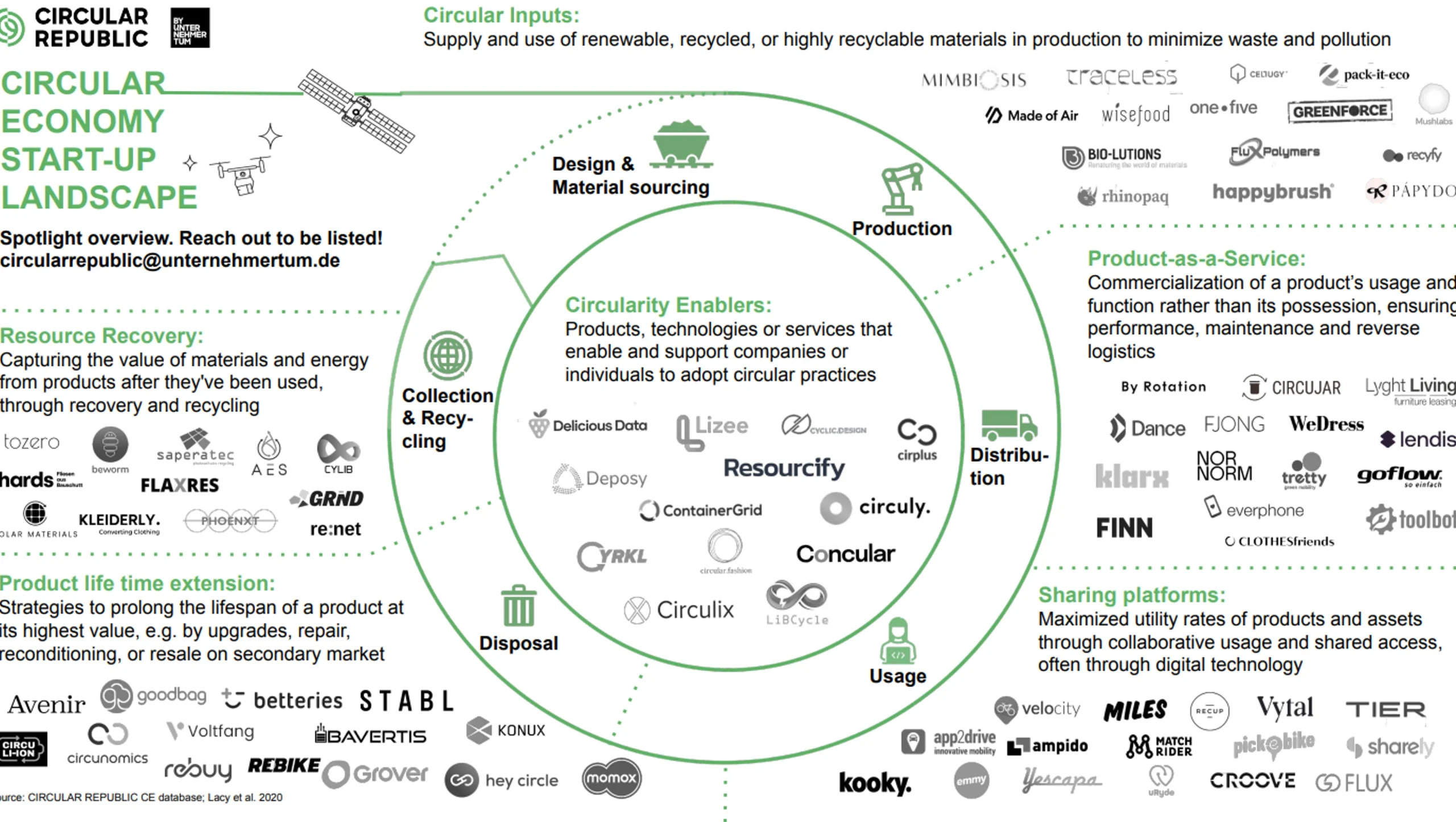
Let’s be honest. The old way of doing business—the “take, make, waste” model—isn’t just unsustainable. It’s fragile. It leaves companies exposed to supply chain shocks, resource scarcity, and a society that’s increasingly demanding better. Resilience today isn’t about building a higher wall. It’s about learning to dance with the system you’re part of.
That’s where regenerative business models come in. Think of it as the difference between a machine and a living forest. A machine eventually wears out. A forest, if managed with care, grows stronger, more diverse, and more adaptable over time. It heals itself. The goal? To build companies that act more like that forest.
What Exactly Is a Regenerative Business Model? (It’s More Than “Green”)
Sure, sustainability aims to do less harm. It’s a vital step. But regeneration is the next logical—and frankly, necessary—evolution. A regenerative business model is designed to restore, renew, and revitalize its own sources of energy and materials. It creates positive feedback loops with its environment, community, and even its competitors.
It means your operations don’t just extract value, they actively create it for all stakeholders. Your “success” is measured not just by shareholder profit, but by the health of the soil your raw materials come from, the well-being of the employees in your supply chain, and the strength of the local economy you operate within. You become intertwined. And that, ironically, is your greatest source of long-term organizational resilience.
The Core Pillars of a Regenerative Framework
This isn’t a vague philosophy. It’s a practical framework built on a few key shifts in thinking.
- From Linear to Circular: This is the big one. You design out waste entirely. Products are made to be remade, using safe, recyclable, or better yet, biodegradable materials. Think leasing models instead of selling, repair services, and take-back programs. It turns waste into a design flaw.
- From Shareholder to Stakeholder Primacy: Honestly, this is table stakes now. A resilient company serves its employees, customers, suppliers, community, and the planet. If one of those suffers, the whole system is weakened.
- From Exploitative to Reciprocal: Do you simply take resources, or do you give back more than you take? This could mean investing in regenerative agriculture to source ingredients, funding local education, or actively restoring habitats. It’s a net-positive approach.
- From Siloed to Systemic: You stop optimizing just your little piece of the puzzle. You look at the whole board. How do your logistics affect local traffic and air quality? How does your packaging impact municipal waste streams? You start seeing connections everywhere.
How to Start Building Resilience, Practically Speaking
Okay, so the “why” is clear. But the “how” can feel daunting. You don’t need to overhaul everything overnight. Here’s a more human, step-by-step way to think about it.
1. Map Your Value Chain (And Find the Leaks)
Start with a simple mapping exercise. Trace one of your key products or services from origin to end-of-life. Where are the biggest points of waste—material, energy, or even human potential? Where are you creating negative social or environmental “spillover”? This map becomes your blueprint for intervention.
2. Redefine “Value” and “Cost”
This is a mental shift. That cheap raw material has a hidden cost—soil depletion, water pollution. A regenerative model accounts for these true costs. Conversely, investing in employee well-being or supplier partnerships isn’t just a cost center; it’s an investment in system resilience that pays back in loyalty, innovation, and risk mitigation. You know?
3. Design for the Long Arc
Move beyond quarterly reports. Implement governance structures that protect long-term mission. This could be a stewardship council, a B Corp certification, or embedding regenerative principles into your articles of incorporation. It’s a commitment that outlasts any single CEO.
Let’s look at a quick comparison of the mindset shift:
| Traditional Model | Regenerative Model |
| Goal: Maximize shareholder value | Goal: Generate thriving, shared value |
| Waste: An externality to manage | Waste: A design flaw to eliminate |
| Nature: A resource to exploit | Nature: A partner and mentor |
| Resilience: Through buffer stocks & control | Resilience: Through diversity & adaptation |
The Tangible Benefits: Why This Isn’t Just Philosophy
This work is hard. So what’s the payoff for long-term organizational resilience? It’s profound.
- Supply Chain Antifragility: By supporting regenerative practices at your source, you secure higher-quality inputs that are less vulnerable to climate and market shocks. You’re not just buying a commodity; you’re investing in the ecosystem that produces it.
- Deepened Customer & Employee Loyalty: People want to work for and buy from companies with purpose. A genuine regenerative stance—not greenwashing—builds trust that no marketing budget can buy. It attracts talent that thinks in systems, not silos.
- Innovation Unleashed: Constraints breed creativity. Designing out waste or creating closed-loop systems forces radical, often cost-saving, innovation. You start seeing problems as… well, as design opportunities.
- License to Operate: As regulations tighten and public scrutiny grows, being ahead of the curve isn’t just nice—it’s a strategic shield. You’re already adapted.
The Inevitable Hurdles (And How to Sidestep Them)
It won’t all be smooth. You’ll hit internal resistance. “It’s too expensive.” “It’s not our job.” The key is to start with pilots. Find a product line, a single supply chain, one community partnership. Prove the concept. Show the ROI in terms of risk reduction, brand equity, and yes, even cost savings over a 5-year horizon.
Another hurdle? Measurement. Old metrics fail here. You’ll need to track new things: carbon sequestered, water replenished, livelihoods improved. It’s messy at first. But that’s okay. Start measuring something, anything, that points toward regeneration.
Wrapping It Up: The Resilient Path Forward
Look, the future is going to throw more at us—not less. Climate disruption, social inequality, resource wars. The brittle, extractive companies will snap. The regenerative ones, the ones woven into the fabric of healthy systems, will bend. And they’ll keep growing.
Implementing a regenerative business model isn’t a PR campaign. It’s a profound reimagining of why your organization exists. It moves you from being a problem in the world’s system to becoming a vital, healing part of its solution. And that, in the end, is the most resilient strategy of all.