

Let’s be honest. We’ve all been on the receiving end of bad personalization. You buy a coffee maker and for the next month, every single ad you see is for… another coffee maker. It’s less like a helpful suggestion and more like a broken record. That’s not personalization; it’s just creepy repetition.
True personalization is different. It’s the feeling a bookstore owner knows your taste and hands you a new release, saying, “I thought of you.” It’s seamless, it’s valuable, and it makes you feel understood. The good news? With modern AI, you can scale that feeling. But implementing AI-driven customer experience personalization is a journey, not a flip of a switch. Here’s how to do it right.
What Does AI Personalization Actually Look Like Today?
Forget the simple name insertion. We’re talking about AI systems that learn and adapt in real-time. Think of it as moving from a static map to a live GPS that recalculates based on traffic, your driving style, and even your mood.
This means:
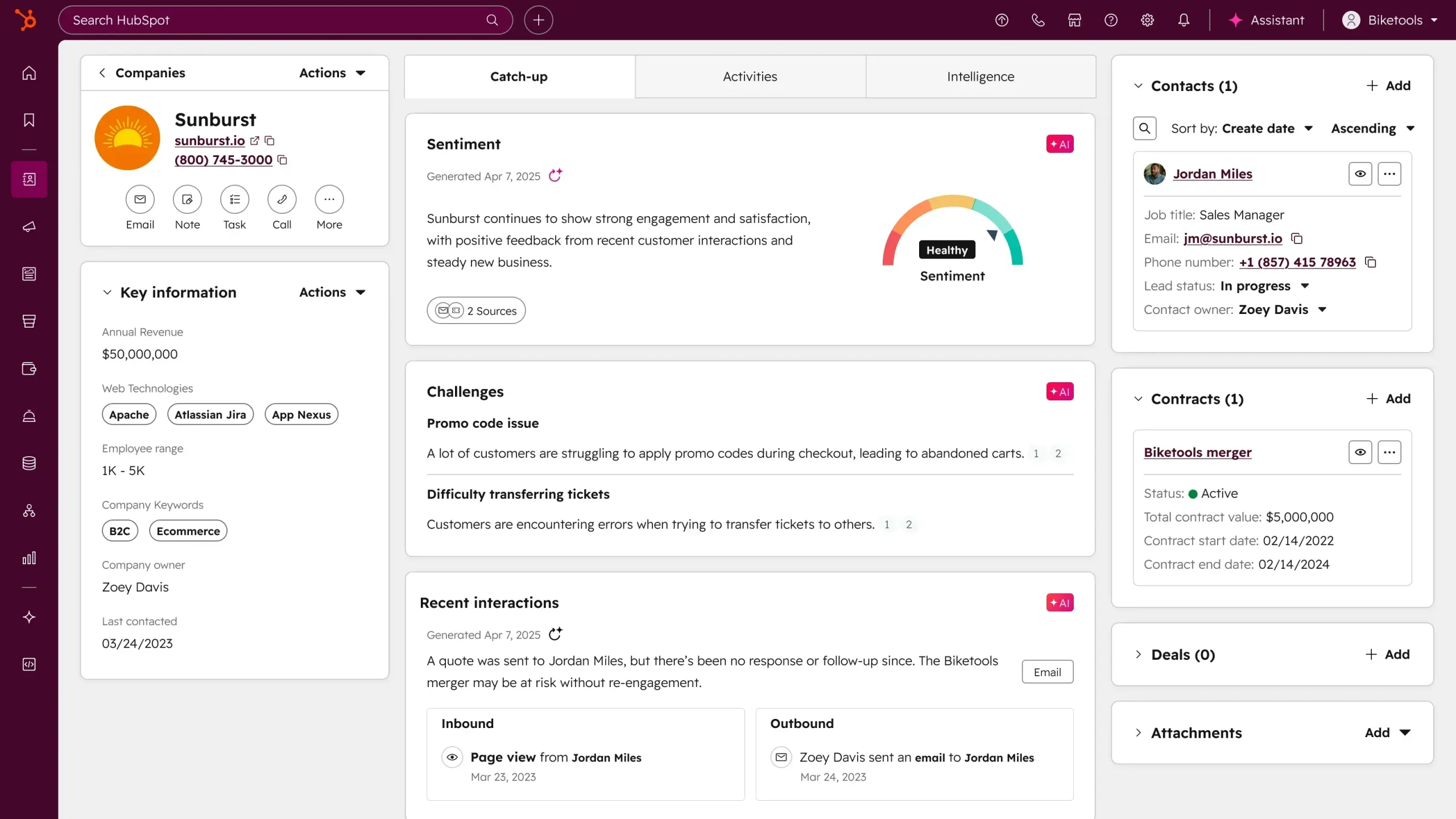
- Dynamic Content: Your website morphs to show a returning visitor the exact products they browsed last time, alongside complementary items they’re likely to need.
- Hyper-Relevant Product Recommendations: Not just “customers also bought,” but “based on your love for minimalist design and durable materials, you might prefer this.”
- Predictive Support: The chatbot doesn’t just wait for a question. It proactively offers tracking info for an order it knows you’re waiting for.
- Tailored Marketing Journeys: Your email campaigns automatically segment and adapt based on user behavior, sending a nurturing series to window-shoppers and a loyalty offer to your best customers.
The Building Blocks: Laying Your Foundation
You can’t build a smart house on sand. Before the AI magic happens, you need a solid foundation. This is the unglamorous, absolutely critical part.
1. Your Data: The Fuel for the Engine
AI runs on data. But it has to be good, clean, and unified data. You need to break down those data silos. Marketing, sales, and customer service platforms must talk to each other. A Customer Data Platform (CDP) is often the hero here, creating a single, unified view of every customer.
Think about it. If your AI only sees a customer’s purchase history but not their support tickets complaining about a feature, your “personalized” recommendation could be a total miss.
2. Defining Your “Why” and Setting Goals
Why are you doing this? To reduce cart abandonment? Increase customer lifetime value? Improve satisfaction scores? Be specific. Your goals will dictate which AI tools you choose and how you measure success. Don’t just personalize for personalization’s sake.
A Practical Roadmap for Implementation
Okay, the foundation is set. Let’s dive into the actual steps. This isn’t a one-week project. It’s a continuous cycle of learning and improving.
Start Small, Think Big
Don’t try to boil the ocean. Pick one, high-impact area to start. For many, that’s the email marketing flow. Implement an AI tool that personalizes subject lines and content based on user engagement. See what works. Learn from it. Then, expand to another area, like your website’s homepage or your post-purchase follow-up sequence.
Choosing Your Tech Stack
The landscape is vast. You have everything from all-in-one platforms to specialized point solutions. Honestly, the choice depends on your budget, team size, and existing tech.
| Type of Tool | What It Does | Good For… |
| All-in-One CRM/Marketing Cloud | Offers personalization across channels within a single suite. | Large enterprises wanting a unified system. |
| Standalone Personalization Engine | Specializes in real-time website and content personalization. | Companies focused heavily on e-commerce and web conversion. |
| AI-Powered CDP | Unifies data and provides AI models for segmentation and prediction. | Businesses that need to clean and activate their data first. |
Testing, Learning, and Iterating
Set up A/B tests for everything. Test your AI-driven product recommendations against your old, rule-based ones. Measure the lift. The AI will get smarter over time, but you need to feed it results. This is where you move from guesswork to data-driven decisions.
The Human Touch: Keeping Personalization… Personal
Here’s the real secret. The most sophisticated AI in the world can’t replace human empathy. The goal is to use AI to handle the scale and the data-crunching, freeing up your team to add the genuine human touch where it matters most.
For instance, if your AI flags a customer who has visited your pricing page five times and downloaded three whitepapers, that’s a hot lead. But the personal touch is your sales rep sending a personalized video message saying, “I saw you were looking at our Enterprise plan, can I answer any specific questions for you?” The AI found the signal; the human built the connection.
Navigating the Pitfalls: Privacy and the “Creepy” Factor
This is the tightrope you have to walk. Personalization is a powerful tool, but when misused, it feels invasive. Transparency is your best friend. Be clear about what data you collect and why. Give users control. Let them opt-out of certain tracking. Use data to be helpful, not manipulative.
The line is often intent. Are you using this information to make the customer’s life easier, or just to squeeze another dollar out of them? Customers can feel the difference.
The Future is Adaptive, Not Just Automated
So, where does this leave us? Implementing AI-driven personalization isn’t about building a system that just automates messages. It’s about building a learning, adaptive system that treats each customer as the unique individual they are. It’s a commitment to moving beyond the transactional and into the relational.
The goal is to create a customer experience that feels less like interacting with a brand and more like having a reliable, knowledgeable partner who truly gets you. And that, in the end, is a competitive advantage that no amount of generic advertising can ever buy.

